The Ultimate Guide to Finding Empty Water Bottles for Sale Near Me
The Ultimate Guide to Finding Empty Water Bottles for Sale Near Me
Blog Article
Bottles made of glass and plastic are crucial for the effective packaging of products like sauces, condiments, beverages, and various foods. These container types play a significant role in maintaining product integrity while also extending shelf life and ensuring accessibility for users. With the shift toward more sustainable packaging alternatives, there is an increasing focus on both glass and plastic in the food sector. Customers regularly inquire about where to find these packaging options. By understanding the benefits and limitations of plastic versus glass bottles, brands can choose materials that resonate with their identity and meet consumer demands at. 330ml plastic bottles wholesale guide checklist. Plastic bottles have become essential within the food and beverage market due to their light weight and flexibility. They are generally crafted from several materials, including polyethylene (PE), polypropylene (PP), and polyethylene terephthalate (PET), each offering specific traits that render them appropriate for diverse applications. For example, PET is the material of choice for soft drinks and bottled water, praised for its superb barrier features and clarity, allowing consumers to view the contents seamlessly. Conversely, polypropylene is often selected for items needing high-temperature resilience, such as bottles for sauces. Additionally, the popularity of 330ml plastic bottles in bulk provides a practical solution for retailers and customers alike, as they enable smaller serving sizes of drinks and condiments. Among the significant advantages of using plastic bottles are their economic viability and simplified manufacturing. The energy consumption involved in producing plastic is generally less demanding than that of glass. Furthermore, the shatter-resistant nature of plastic bottles proves advantageous for transporting and handling in spaces like kitchens or at social gatherings. However, the environmental ramifications tied to plastic consumption are increasingly in the spotlight. Many consumers are gravitating towards eco-friendly alternatives and biodegradable plastic options. In addition, the effective disposal of plastic bottles presents considerable challenges, emphasizing the urgent need for recycling practices and waste management strategies to combat escalating concerns about plastic pollution. Glass bottles, on the other hand, have long been cherished for their durability and premium feel. They are inert, meaning they will not leach harmful chemicals into the contents, maintaining the integrity of sauces, oils, and beverages. Many consumers prefer glass containers for sauces and condiments because they protect flavors and keep products fresher for longer. Additionally, glass bottles are 100% recyclable, and recycled glass can be reused indefinitely without quality deterioration. This makes them an attractive option for eco-conscious brands looking to resonate with consumers who prioritize sustainability. Despite their many benefits, glass bottles tend to be heavier and more fragile, which can result in higher shipping costs and a higher risk of breakage. Businesses dedicated to sauces often explore various constraints when it comes to packaging, from aesthetics to cost. The choice between plastic and glass containers heavily depends on the product’s characteristics, desired market positioning, and logistical considerations. When deciding on packaging solutions for sauces, condiments, and beverages, several factors should be meticulously evaluated. A well-structured approach ensures that the right materials align with product requirements while adhering to industry standards. One of the first considerations is the product's shelf life and stability. Foods with high acid content, such as vinegar-based sauces, may be better suited to glass to prevent any chemical interaction. Conversely, higher volume, lower-cost products may benefit from the economic efficiencies that plastic bottles provide. Cost is a crucial factor when weighing the options between glass and plastic. Here, the 330ml plastic bottles wholesale provide a comparatively lower unit cost, making them financially advantageous for mass production. At the same time, businesses should remain mindful of the potential trade-off between cost and perceived value, especially in markets where packaging plays a key role in consumer choice.Insight into Plastic Bottles
Advantages and Disadvantages of Plastic Bottles
The Role of Glass Bottles
Choosing Suitable Packaging
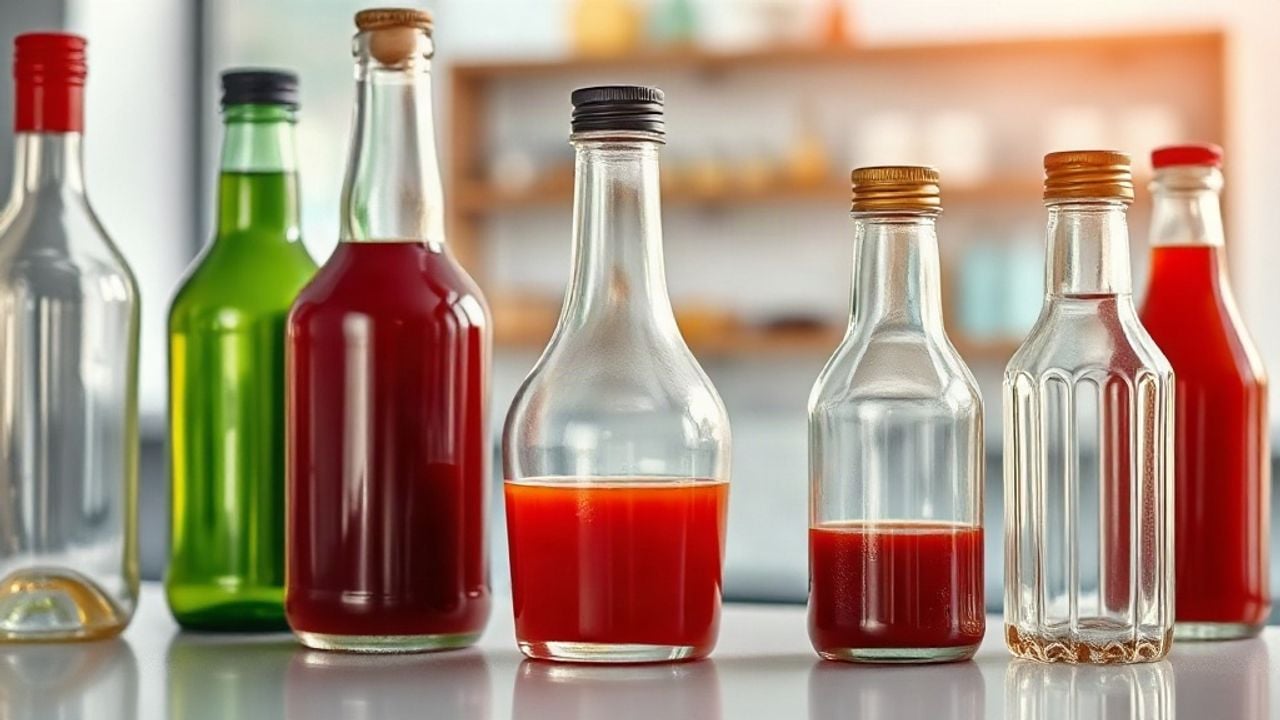 empty water bottles for sale guidePlastic and glass bottles for sauces, condiments, beverages, and food packaging
Best Practices for Bottle Packaging
Utilizing high-quality materials and designing eye-catching labels can significantly impact the success of your food products in the market. A strategic approach will help you differentiate your offerings from competitors.
- Opt for low-cost, high-quality suppliers, especially if you’re sourcing 330ml plastic bottles wholesale.
- Ensure all materials comply with food-grade regulations to guarantee consumer safety.
- Incorporate eco-friendly designs that attract environmentally conscious buyers.
- Personalize your product line with unique bottle shapes or colors to stand out on the shelf.
- Regularly revisit and revise your packaging strategy based on consumer feedback and market shifts.
Plastic and glass refer to resource bottles for sauces, condiments, beverages, and food packaging
Frequently asked questions
What are the advantages of using plastic bottles?
Plastic bottles are beneficial due to their lightweight nature, resistance to shattering, and generally lower production costs compared to glass. They provide convenience for daily usage, although it's important to acknowledge their greater environmental impact.
Are glass bottles a better option for food items?
Indeed, glass bottles are often favored for various food products because they are chemically inert, which helps prevent any leaching of substances, thereby ensuring that the flavor and freshness are maintained.
How do I decide between plastic and glass packaging?
Assess factors such as the type of product, expense, environmental aims, and customer preferences. Conduct market analysis to determine what best fits your brand identity.
What is commonly included in bulk orders of 330ml plastic bottles?
Wholesale purchases typically consist of a substantial quantity of uniform bottles suitable for use in beverages or condiments, often offered at a lower price compared to buying individual bottles.
What steps can I take to enhance my bottle packaging?
Prioritize using high-grade materials, eye-catching designs, and sustainable options. Gather feedback from consumers to inform enhancements in both design and functionality.
Are there specific regulations governing food packaging materials?
Certainly, food packaging materials fall under regulations established by food safety organizations, ensuring they are safe for food and beverage contact. Adhering to these standards is crucial.
Ultimately, selecting the appropriate bottle type for sauces, condiments, beverages, and food packaging requires thoughtful evaluation of numerous aspects. Both plastic and glass present distinct advantages and disadvantages that must correspond with your brand's objectives and consumer preferences.
Through a strategic analysis of materials, expenses, and design, companies can boost the attractiveness of their products and secure a successful presence in the market.